
JD Decor - Trusted Painters, Decorators & Plasterers in Glasgow

Ornamental plasterwork

Plasterer West End Glasgow
The West End of Glasgow has a cocktail of old sandstone tenements, Victorian villas and new flats so plastering requirements are diverse. This guide covers essential services, what to expect on site and useful advice for hiring a local plasterer.
1. Skimming
A two-coat skim finish leaves weary walls and ceilings smooth and ready for paint or wallpaper. This is where your skilled plasterers apply a thin top coat over plasterboard or old plaster to conceal those pesky hairline cracks and lumps. For very small cracks you can do a patch repair, but for whole rooms or flats the top two-coat skim gives the best and most durable finish. Quality relies on accurate workmanship, effective mix control and appropriate jointing tapes. Ask to see examples of recent skims in similar West End properties.
When booking, confirm timeframes, rubbish removal and a warranty, normally 12 to 24 months, in case problems arise following painting.
2. Plasterboarding
Plasterboard is the fastest method for forming new walls, partitions or ceilings in conversions and contemporary refurbishments. Dry lining improves thermal insulation and sound proofing when installed correctly. Pro teams will fix boards, tape and joint, then prepare the surface for skimming or decor. New builds or flats with new drywall can create tricky passes. Opt for plasterers with a background in contemporary systems to avoid issues down the road.
Talk about site rules in advance like no smoking and no phone use to keep the job professional and clean.
3. Wet Plastering
Traditional wet plastering is ideal for brick or block work and provides a durable finish for renovation or new build. It’s the perfect option for bringing life back to solid sandstone tenements often found in the West End. Expect longer drying times and a requirement for decent ventilation, but brilliant durability once cured. Your tradesmen will sort out the mess and should check how much rubble they take with them.
Wet plastering requires artisans to juggle mixing, application and levelling for flat, durable walls.
4. Lime Plastering
Lime plastering is the best choice for listed buildings and solid-wall properties where breathability is crucial. It keeps moisture at bay and protects historic fabric. Use specialists who are used to working with lime-based systems and local conservation specifications to replicate existing cornices and detailing. Lime work is slow but saves the building fabric.
5. Cornice Restoration
Repair decorative cornices and mouldings in Victorian and Edwardian properties to match existing moulding profiles. Good restorers can replicate patterns or cast new sections. This work adds value and appearance of a space and requires care to match original details. Get a few quotes, check references and samples, and never pay in cash or large sums upfront.
Free Quote
West End Plastering Challenges
Plastering in Glasgow’s West End presents particular challenges that influence how work is conceived and completed. Its mixture of sandstone tenement buildings, Victorian villas and modern flats means plasterers must adjust techniques, materials and timings to each individual property while safeguarding residents and historic fabric.
Tenement Troubles
Sandstone tenements regularly demonstrate cracked ceilings, loose plaster and patched repairs from previous works. Walls can be undulated and lath or brick backings are often frail. Successful repair begins with an unambiguous survey so the plasterer knows if local patching, complete replaster or partial re-lath is required. Work in multi-storey blocks and common stairwells has to take access, noise and communal use into account. Short, scheduled sessions minimise disruption. Vacuum dust extractors, dust sheets and careful bagging up of debris protect furniture and floors. Specialist tools, lightweight scaffolds, rabbit boards and narrow trowels assist when reaching tight landings without blocking exits. Always be compliant with safety and landlords' requirements and ensure evidence of NVQ or City & Guilds qualifications on quotations.
Damp and Draughts
Damp and draughts are prevalent in older West End houses and will ruin new finishes if not addressed. Spot rising damp, penetrating damp and condensation before skimming. Mix plastering with dampproofs, external stone re-pointing, controlled ventilation and breathable plasters where appropriate. For thermal comfort, suggest insulation upgrades, dry lining and insulated plasterboard to block draughts and enhance energy efficiency. Work in cold or damp conditions by regulating temperature and ventilation on site to enable appropriate curing. Employ mould-resistant finishing coats in wet rooms and select materials that are crack resistant where movement is probable.
Listed Building Rules
Plastering in conservation areas or listed buildings requires careful consent and old school skills. Take directions from local authority conservation officers and make proposals where necessary. Match period mixes for instance, lime plaster rather than gypsum for breathability and character.” Document techniques and materials for approval and collaborate with heritage bodies for complicated restorations. Maintain clean and tidy sites, safeguard original features and give comprehensive job details to make sure quotes are correct and reflect work required and time for permissions.
Free Quote
Budgeting for Your Project
Budgeting starts with clear and realistic numbers for your plastering project in the West End of Glasgow. Standard UK ranges provide a baseline, then local factors, such as access, building age and conservation areas, influence the ultimate price. Below is a quick cost outline to guide planning.
-
Skimming (wall skim): average £506 (range £381–£683)
-
Plasterboarding (new plasterboard walls/ceilings): typical jobs range from about £300 to £767 depending on scope.
-
Full room renovation (full replaster, cornice/coving, finish): from around £454 for ceilings to £1,429 or more for specialist lime work
Skimming Costs
-
Surface condition shabby, wet or lath-and-plaster walls require additional prep and are more expensive. Little hairline repairs are quicker and cheaper.
-
Room size means big rooms require more material and time. A wall is less than a room.
-
Preparation involves hacking off loose plaster, treating mould or damp, and making good, which regularly doubles labour time.
-
Time needed is that a smooth ‘painting finish’ takes longer than a textured or high-gloss finish.
Skimming is frequently the cheapest way to renew walls compared to a complete re-fit, particularly in tenements that are common in the West End. Examples include a competitive local quote for a single lounge skim that might be £400 to £600; another for a high-spec skim could reach £700.
Day Rates
|
Day rate (typical) |
Included |
|---|---|
|
£150–£250 per day |
Labour, basic tools, minor materials |
Day rates normally include the plasterer’s time, as well as basic hand tools and small consumables. They don’t cover big materials or scaffold hire. Day rates apply to small jobs or a series of little repairs through properties. Confirm daily hours, breaks and who supplies materials to sidestep extra costs.
Factoring and clear terms avoid nasty surprises. Include start and end dates, who disposes of waste, and how deviations are charged.
Full Room Estimates
Plasterers charge full rooms by area (m2), complexity (cornices, coving) and finish. Budget allowances should include surface preparation, priming and clean-up. Builders tend to add a 10 to 15 per cent contingency for unexpected things. Obtain written estimates from at least three local companies for scope and cost comparison. This is vital considering the huge discrepancies. Rendering averages £1,609, lime plastering averages £1,429, and coving averages £349. Professional service produces an even, high-quality finish throughout the room.
Free Quote
Why Choose a Local Plasterer?
Read Why Choose a Local Plasterer? Their knowledge of the area’s housing stock, speedy availability and local reputation all minimise risk and stress. Here are the key points on what you get by hiring a local tradesman.
Building Knowledge
West End houses range from Victorian tenements to new flats. Local plasterers know the standard timber lintel and plaster-and-lath build-up in old tenements and how to replicate profiles and finishes. They identify tell-tale traces of damp or rising moisture, recommend where insulation or breathable plasters are required, and propose repairs that are appropriate for heritage facades without damaging original features. Knowledge of Glasgow City Council guidance and building control practice leads to fewer delays where consent or certification is concerned. Expect tailored advice: for a sandstone terrace they may propose lime-based mixes. For a contemporary refit they might recommend gypsum systems and moisture checks.
Quick Response
A London-based plasterer will be quicker for call-outs than an outsider. That’s important for emergency skimming after water damage or for a speedy prep before a tenant moves in. Local teams usually maintain short lead times, which allows homeowners and landlords to plan. Quicker starts minimise the time your rooms are out of use and prevent secondary damage, for example, the spread of mould. In-person meetings expedite site agreement on scope and materials, and notes from an on-site visit usually avoid round-robin emails.
Community Trust
Local trades are built by reputation, by neighbours, landlords and small businesses nearby. You can often read reviews, request references from previous West End clients and look at previous work on local gallery pages. Most companies are insured and provide written guarantees, which are easy to double-check at a local level. Employing a West End plasterer keeps cash within the local community and provides a more personalised service, with teams that value recommendations and long-term responsibility.
Free Qoute
The Hallmarks of Quality Work
About: The signatures of good work. Look for clear signs before you hire a plasterer in the West End of Glasgow:
-
Smooth, flat wall runs and sharp, straight corners.
-
No visible cracks, bumps or seams after painting.
-
Uniform finish that reflects light evenly across surfaces.
-
Protected floors, skirtings and furnishings during work.
-
Controlled dust, tidy site practice and full debris removal.
-
Second coat to build a true plane and correct thickness.
-
Bespoke repairs for period features and modern details.
-
On-time and on-scope delivery
The Finish
A silky smooth finish is the main one. Check walls in daylight – a good job will have flat runs and crisp junctions where walls meet ceilings and corners meet skirtings. The second coat matters; it brings the required thickness and creates the true plane that stops paint showing defects. Master plasterers can deliver everything from a glassy, ultra-smooth finish for new builds in Byres Road to an aged texture for Victorian tenements that retains character.
Prepare surfaces to be decorated. Painters and wallpaperers only stick and stack properly when plastering is flat and defect free. Crafted work brings a space to life and throws light around evenly, which is fantastic for tight West End spaces.
The Preparation
Preparation avoids trouble. Check the planner’s detail: cleaning, priming and repairing damp, rotten lath or cracked render before plastering starts. Floor, radiator and furniture protection is routine. Covers and drop-sheets should be fitted neatly. A skilled plasterer offers a phased approach from diagnosis to first and second coats, drying times and final inspections.
Well-planned tradesmen can reinstate period cornices or adapt surfaces for contemporary installations without guesswork.
The Cleanliness
Neatness counts as much as ability. Dust when sanding will be at a minimum. Dust extractors and sealed skips are standard with good companies. A clear patch and site on completion respects the home and minimises follow-up work. Glaswegian street neighbours and clients appreciate punctual, unobtrusive, tidy teams who leave a site for decorators.
Free Quote
Areas We Cover
Beyond the Plaster
This explains services and options that go beyond basic plastering, demonstrating how a plasterer in Glasgow’s West End including Anniesland can provide more than a level finish. It includes damp proofing, soundproofing and thermal insulation, how these sit with refurbishments and what to expect from full-service professionals.
Damp Proofing
-
Survey the property for signs of rising damp, penetrating damp or patterns of condensation. Use hygrometers and visual inspection to map wet areas and any salt deposits.
-
Strip out failed plaster back to a sound substrate, treat brickwork or masonry with an appropriate damp proof course or injection where necessary, and allow the building to dry back to recommended moisture levels before replastering.
-
Use compatible tanking systems, breathable damp-proof membranes or a cementitious damp-proof render, depending on the cause. Shout out to tried-and-tested products from reputable manufacturers for long-lasting protection.
-
Use bonding agents and a suitable base coat, then finish with lime or gypsum work to suit the building’s requirements. This stops future delamination.
-
End with vapour-pervious top coats in historic tenements, or impermeable finishes only where structural repairs and diagnosis truly warrant them.
Tackling root causes avoids rework. Plasterers typically cover up floors and furniture with protective sheeting when doing these works and will often provide a workmanship guarantee once damp control and plastering is complete.
Soundproofing
Enhance acoustic performance in flats, offices and shops with specialist plasterboard systems and resilient channels. Fit specialist soundproof plasterboard or use staggered studs and multiple layers to minimise flanking transmission and airborne noise. For tenement retrofits, nothing beats acoustic linings, soft furnishings and door seals to keep clients happy. New builds can take advantage of cavity insulation and plasterboard systems engineered to suppress impact noise. Plasterers check customer specifications, suggest proven systems and perform dust-free, clean installs in occupied homes.
Thermal Insulation
Improve thermal performance with insulated plasterboard, internal wall insulation or specialist insulating paints. Installations reduce heating costs and increase comfort in both period sandstone homes and new builds. Plasterers advise on breathability for solid-wall properties, apply boards to ceilings and walls, and coordinate heating or ventilation work. They operate through the winter, controlling temperature and ventilation to guarantee smooth, crack-free finishes and to keep insurance and qualifications up to date.
Conclusion
Local plasterers in Glasgow’s West End offer clear advantages. They know Victorian flats, tenements in sandstone and new builds. They identify damp hazards, replicate lime or gypsum mixes and manoeuvre in narrow stairwells. A good plasterer trims waste, reduces noise and passes building regulations. For small repairs, a day’s work usually knocks cracks and scuffs on the head. For a full replaster, allow a few days to a week depending on the size of the room and drying time. Get at least three quotes, look at pictures of previous work and enquire about guarantees. A local company can come out for a visit and a competitive price. Want to book a survey or compare West End plasterers’ quotes?
Testimonials.

JD Decor - as recommended by the one and only
Jack Jarvis Esquire
"Outstanding"!
" This firm, JD Painters & Decorators are without doubt the best I have ever dealt with, keen pricing, expert finishes, and extremely personable staff. If you need it done right, look no further! "
Painting & Decorating
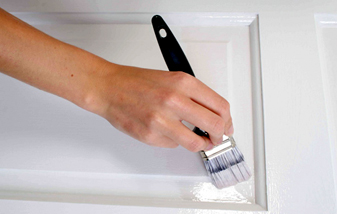
Domestic and Commercial Painters for all painting and wall papering.
Plastering Services

Quality Plasterers in Glasgow providing an affordable plastering service.
Multi-Trade Services
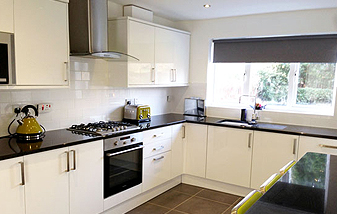
Multi-Trade Services Glasgow. Kitchen, bathroom fitting, Plumbing, tiling and electrical.
JD Painters & Decorators Glasgow.
Tel: 0141 428 3131
Mobile: 07765 071731
West End Office:
South Side Office:
1 Spiersbridge Way
Glasgow
G46 8NG
Hamilton Office:
Suite 1, 29 Brandon Street
Hamilton
ML3 6DA
JD Decor Glasgow
Frequently Asked Questions
How much does plastering a room in the West End of Glasgow usually cost?
Prices depend on room size and finish. Expect a standard lounge or bedroom plastered from around £250 to £700. Always take at least three written quotes and see what’s included.
How long will a standard plastering job take?
A room typically only takes one to three days for curing time for a skim coat. Larger or older properties may take longer because of repairs and preparation.
Do I need to prepare my home before the plasterer arrives?
Yes. Remove or cover furniture, clear access routes, and disconnect fixtures. Good preparation makes the job quicker and limits dust spread.
Can a plasterer repair damp or historic walls in West End flats?
These skilled plasterers can evaluate and repair damp plaster and old render. They generally advocate curing the underlying cause first and utilising breathable materials for older structures.
How do I choose the right local plasterer in the West End?
Read local reviews, request to see examples of recent nearby work, ask about insurance and qualifications, and secure a written quote with timescales and materials detailed.
Will plastering create a lot of dust and mess?
Plastering is dusty and wasteful. A tradesperson should use sheeting, dustsheets and vacuums to contain the mess. Nowhere does it say clean up is included in the quote.
What finishes can I expect and how do they affect price?
Common finishes include base render, 2-coat plaster, and fine skim. Smooth skims are more expensive but provide a decorator-ready finish. Pick a finish to match your project and budget.


Contact us
West End Office: Woodside Business center 4 Woodside Place, Glasgow G3 7QF Tel: 0141 342 5468
South Side Office: 1 Spiersbridge Way, Spiersbridge Business Park, Glasgow G46 8NG Tel: 0141 342 5468
Mobile: 07765 071731
Email: jddecor@live.co.uk