
Key Takeaways
- Recent plastering jobs throughout Glasgow show distinct before and after examples, highlighting that professional preparation and bespoke repairs reinstate period features and contemporary interiors.
- Tenement work, ceiling rescues, Artex removal and wet-room plastering all require specialist techniques and moisture resistant materials that are suited to Glasgow’s damp climate and ageing property cache.
- Look forward to a three-stage sanding, application, and finishing with protective sheeting used all the way to protect furniture and lessen dust.
- Prompt drying and evaluation to avoid protracted damp problems is necessary for quick flood repairs. Experienced plasterers use correct materials and venting processes.
- Check finish quality with practical tests such as the corner test, light reflection inspection and surface feel to ensure uniformity before decorating.
- If you’re hiring local plasterers in Glasgow, look for experience, read verified reviews and check relevant qualifications. Then compare quotes to get a consistent, value-adding finish.
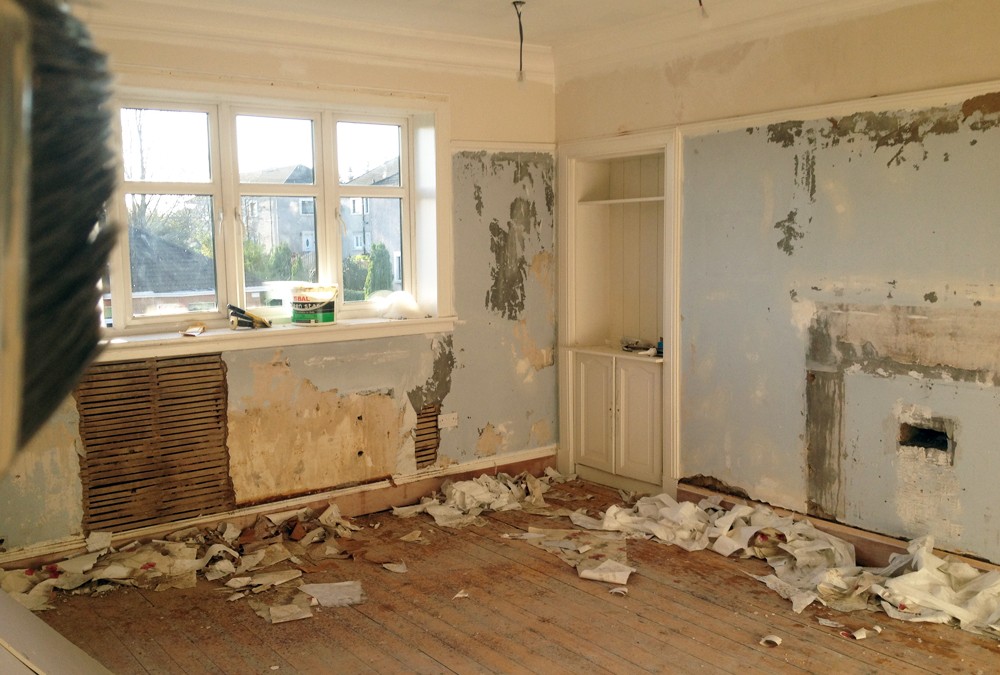
Before and after: recent plastering jobs in Glasgow show visible changes to homes and commercial spaces across the city. The subjects include repairs to Victorian tenements, contemporary flats in the West End and shopfronts on Sauchiehall Street. Notes and photos illustrate surface preparation, plaster mixes and finishing for Glasgow’s damp climate and older buildings. Local tradesmen used breathable lime-based mixes for older masonry and gypsum for quick interior work in newer builds. Timelines vary from patchwork repairs that only take a day to re-plaster projects that take a week. Here you’ll find pairs of images, scope notes and practical takeaways for Glasgow homeowners and small contractors.
Our Recent Glasgow Plastering Jobs
We outline a few of our recent Glasgow city plastering jobs, with before and after pictures illustrating each project. These plastering projects varied from minor fixes to complete house refurbishments, demonstrating how plastering is used on both interior and external surfaces to capture exact project specifications. Work patterns reflect local practice: typical hours are 08:30 to 17:00, Monday to Friday. Some roles require reading technical drawings and a full UK driving licence. Pay varies by role, generally starting at £15.00 to £21.42 an hour, with some annual salaries around £26,334.
1. Tenement Transformations
City centre Victorian tenement flats often feature lumpy lime plaster and lost mouldings, which require a plastering job that involves filling in cracks and solidifying loose sections. Our expert Glasgow city plasterers ensure that working with old materials is done with care, including damp testing and using compatible lime mixes. By reading original plans when possible, our plasterers custom make mixes to prevent salt bloom. After proper plastering work, rooms reflect light more uniformly, with south-facing rooms in Garnethill showcasing significantly brighter walls and a less patchy surface, enhancing the overall aesthetic of your home.
2. Kitchen & Bathroom Upgrades
Kitchens and bathrooms required moisture-resistant plaster to provide a secure surface for tiles and paint, making it essential for any plastering job. Before skimming, fittings were covered with plastic sheeting and dust sheets, ensuring proper plastering work. Sockets and cabinets were masked off while teams worked from technical drawings to fit new units accurately, particularly in council flats and private homes. This clean finish not only enhanced room value but also added practicality to the overall project.
3. Ceiling Rescues
Damaged ceilings from leaks or sagging plaster were stripped back, with joists checked and repaired where needed. New plaster was skimmed for a uniform finish, ensuring proper plastering work that diminishes shadowing and improves light distribution throughout the rooms. Dust sheets and protective sheeting kept mess to a minimum for clients, making this plastering job a smooth process. See a tenement top-floor ceiling and a new semi with contrasting repair strategies.
4. Artex Obliteration
Old fashioned Artex was either chucked out or skimmed to provide a flat contemporary finish, a common plastering service that many Glasgow city plasterers recommend. Scrapping can take longer and be more expensive than a plastering job that involves skimming. Both options were discussed with clear time and plastering costs comparisons, ensuring a proper plastering work for a smooth result.
5. Emergency Leak Repairs
Responding teams dried, evaluated, and remediated water-damaged plaster, employing dehumidifiers, timber inspections, and compatible replastering mediums. Quick intervention saved even worse deterioration. We used moisture meters, plaster mixers, trowels, and dust sheets. Emergency plastering jobs covered homes and odd military base buildings, often requiring the right plasterer for the project.
Plastering Glasgow's Unique Buildings
Glasgow’s building stock ranges from red-sandstone Victorian tenements to chic riverside flats and loft conversions, requiring skilled plasterers who understand both plans and ancient walls. The plastering job here must address local materials, narrow closes, listed status, and permanent damp. A professional Glasgow city plasterer can deliver services from lime repairs in conservation areas to spray-skim finishes in new flats.
The Damp Climate
In Glasgow City, the rainy high humidity significantly alters the nature of plaster. Traditional gypsum-based plasters can take so long to cure in a draughty, damp flat that professional plasterers often opt for breathable lime or moisture-resistant mixes in problem rooms. Ventilation is non-negotiable, with installers recommending airing, controlled heating, and sometimes dehumidifiers to achieve safe drying rates. For a successful plastering job, concealed damp, such as rising damp in ground floor flats or penetrating damp at party walls, needs to be located and addressed first. A quick touch test or moisture meter reading pre-work avoids costly mistakes later and ensures proper plastering work is achieved.
Victorian Tenements
Walls and ceilings in tenements often disguise horsehair plaster over lime, hairline fissures, decorative cornices, and uneven lath. To achieve proper plastering work, matching original mouldings requires hand skills such as casting, cutting, and careful bonding to old substrates. Preparation is painstaking, as loose plaster, salt stains, and patched layers must be scraped off or stabilized without damaging cornices or skirtings. When selecting a Glasgow city plasterer, request projects in similar tenements and before-and-after photos to demonstrate matched profiles and repaired cornices for peace of mind.
New Builds
New homes in Glasgow City feature contemporary boards and plasterboard systems, necessitating fast, even finishes for decorators. This plastering work emphasizes speed, perfect jointing, and ensuring that the plasterless surface receives primers and emulsion without show-through. Materials trend towards gypsum-based skims and pre-mixed compounds, frequently sprayed to expedite works on large developments. Inspect a Glasgow City plasterer's recent new-build work and customer testimonials, looking for flat wall runs, sharp corners, and few correction notices.
The Modern Plastering Process
Modern plastering in Glasgow City involves three clear stages: preparation, application, and finishing. Each stage significantly impacts the next, making it a good idea to pay attention here to avoid costly mistakes in your plastering project, ensuring professional finishes and durability.
Preparation
To ensure a successful plastering job, clear and protect everything in the area. Move small items of furniture out, wrap larger pieces, and cover floors with dust sheets or builders’ sheeting. Tape skirting boards and switches for added protection. Keeping a clear working area will minimize knock-on damage and allow you to work quickly and efficiently.
Before starting your plastering project, inspect the condition of the walls and ceiling. Check for loose render, damp patches, hairline cracks, and old peeling paint. Address any issues, such as rising damp or penetrating damp, before engaging professional plasterers. Small repairs should be keyed to ensure the new plaster bonds effectively.
What materials do I need for proper plastering work? Essential items include bonding agents, PVA primer, protective sheeting, masking tape, and patching mortar. Bonding slurry can aid adhesion on smooth or painted surfaces. Have a hammer, chisel, and wire brush ready for removing loose material and a damp-proof course gauge if required.
Surface cleaning and priming material. Dust, grease and other contaminants prevent adhesion. Clean with a stiff brush and, if necessary, a dilute detergent wash. Use PVA or a proprietary primer on porous backgrounds to regulate suction and achieve an even first coat bond.
Application
Scratch, float and finish plaster for solid results. The first coat is thick enough to key but levelled off roughly. The scratch coat gives grip. The second coat builds a true plane and thickness. A finishing coat improves the surface.
It’s the hands of skilled artisans that make the difference. Good trowel technique avoids blisters and long cracks. Straight edges, even pressure and good timing minimise rework and guarantee a flat finish to those bigger Glasgow rooms.
Many coats are used for strength. This is common in two-coat gypsum or three-coat sand and cement systems, depending on the substrate and room use. For example, wet rooms use cement-rich mixes.
Keep an eye on drying times. Over quick drying leads to shrinkage cracking. Slow drying can encourage mould in darkened tenement rooms. Ventilate and heat to local conditions.
Finishing
Trowel smooth, then fine sand where required to remove trowel marks. Inspect under angled light to see hollows or lumps.
Sharp corners and clean joins enhance the appearance. Employ corner beads and tight feathering at joins. Test corners by running a fingernail across the edge. A sharp edge is a sign of good quality work.
Use the corner test and light reflection checks to see if it is actually any good. Walk a torch across the surface you’re plastering at a low angle to spot any imperfections.
Leave the place tidy, take down dust sheets and vacuum fine debris so the painter can get to work.
More Than Just a Smooth Wall
Correct plastering not only alters appearance but also affects comfort, illumination, acoustics, and the overall ambience of a room daily. Professional plasterers ensure that consistent surfaces and crisp mitres contribute to flush fittings, aligned skirtings, and tidy joins. In typical Glasgow City tenements and terraces, good plastering tames draughts where walls meet ceilings, eliminating cold spots and enhancing the durability of your home. Ultimately, a proper plastering job prevents moist spots and capillaries that require reparation.
The Feel of a Room
Smoother, more even walls give a space a more calm, ordered feel and allow natural light to fall more evenly over surfaces. Rough walls make tiny shadows and texture that disrupt visual flow. Acoustic benefits are often overlooked. Continuous plaster reduces small gaps and cavities that can amplify noise in thin-walled flats. Insulation really increases when plaster is applied properly over substrate and reveals are sealed.
Newly plastered spaces elevate mood. A clean finish gives a room an easy-going feel. Consider each room’s use when planning plaster. A living room may need a softer finish to suit wallpaper, while a bathroom needs moisture-resistant plaster and careful sealing around wet zones.
A Blank Canvas
New plaster provides a perfect base for paint, wallpaper, or specialist decorative finishes, making it essential for any plastering project. A smooth wall not only enhances the aesthetic appeal but also ensures that color and pattern read true. Some Glasgow city plasterers opt for a super-smooth, glassy finish that may require additional steps like sanding or mist coats. To prevent costly mistakes, minor trowel marks or brush strokes should be addressed with light sanding using medium to light grade paper, ideally 120 grit or above.
A mist coat, which is a thinned paint layer, helps new plaster absorb properly and reveals any imperfections. If the wall condition is already fairly good, a mist coat could suffice without the need for sanding. For optimal results, plan your plastering work for after the plaster has fully dried, especially during Glasgow’s cooler, damper months.
Adding Value
A professional plaster finish adds obvious value and buyer appeal. Class A work avoids repeating repairs that turn buyers away. Here’s a quick benefits comparison.
| Benefit | Effect on value |
|---|---|
| Seamless finish | Improves visual appeal at viewings |
| Proper seals | Reduces risk of damp and cost |
| Even surfaces | Lowers decorating costs for buyers |
| Certified work | Boosts buyer confidence |
Factor high standard plastering into your renovation budget as a sensible long-term asset.
What a Good Finish Looks Like
What a Good Finish Looks Like
It shows attention to detail: no lumps, no bumps, no visible nail holes in skirting boards left unfilled, and surfaces that take paint evenly. Consistency across ceilings, walls and junctions is as important as there being no blatant defects. On-time delivery to the quoted scope and tidy site practice, including tidy dust control, protected floors and skirtings, are a part of the finish and they impact how a room reads to the occupants or buyers in Glasgow flats and terraces.
The Corner Test
Run a straight edge along internal and external corners to verify crisp lines and alignment, which is essential for a proper plastering job. Pointy, accurate edges indicate a fussy setup and correct application of metal beads or plaster angles. Conversely, rounded or ragged edges are signs of too-quick floating or poor tool control, potentially leading to costly mistakes. These defects will reveal themselves under paint and at first glance. Build corner checks into your final walkthrough and record any discrepancies against before photos to compare the difference, ensuring your plastering work meets the standards expected from professional plasterers.
Light Reflection
Smooth plaster gives an even light reflection, which is essential for identifying defects in your plastering work. To ensure proper plastering work, check walls and ceilings in daylight and with an angled strong lamp in low light to pick out ripples, shadows, or trowel marks. Shadows up a wall could indicate inconsistent thickness or a bad rub-down, while ripples suggest the material hasn’t been leveled properly. Conduct this test before painting to remedy minor imperfections, ensuring a crisp, premium appearance that contributes to a higher perceived property value.
Surface Uniformity
Uniformity is essential for a proper plastering job, ensuring the same texture and color throughout all plastered areas. Run your palm over surfaces to check for bumps, dips, or rough patches. A last rub should be smooth. Inspect transitions from old to new plaster and between trades, such as where plaster meets timber at windows. Use this checklist when inspecting: smoothness (no bumps), color evenness (no patchiness), edge blending (no visible joins), and readiness for paint. A job that meets these criteria will look polished and leave rooms feeling gorgeous.
Finding a Reliable Glasgow Plasterer
Finding the ideal Glasgow city plasterer begins with key qualifications checks, portfolio review, and local reputation. Seek plasterers who display recognised accreditations such as CHAS or SMAS Worksafe Contractor and who can provide proof of trade qualifications or NVQs. These qualifications show that health and safety and basic skill minimums are in place. Always request evidence and check company details on Companies House or through a company website to ensure you are dealing with a professional contractor.
Inspect portfolios and reviews to judge quality. Request before-and-after photos from recent plastering work in Glasgow and note finishes on similar properties to yours. Tenement flats, Victorian terraces, and modern apartments need different approaches. Reading verified reviews on industry sites and local forums can provide insight. Personal recommendations from neighbours, friends, or family in Glasgow are often the fastest route to a plasterer with a steady track record.
Get three written quotes against the same brief and compare line by line. Quotes should detail labour, materials, surface preparation, and if skimming, dot-and-dab, or full replaster is included. Prices in Glasgow will differ with the type of work, area, and condition of walls or ceilings. Old tenement walls with damp or lath work will cost more than a standard room skim. Fair pricing isn’t necessarily the cheapest price. Check for transparency on additional fees and realistic schedules.
Before work begins, check insurance and guarantees. A trustworthy plasterer carries public liability insurance and provides a workmanship guarantee of at least a year. Request proof of insurance and a written guarantee covering defects. This protects you from careless damage and poor workmanship.
Local platforms to find and verify trades like MyBuilder and Trustpilot are good sites for Glasgow city plasterers as they often have verified IDs, ratings, and recent job photos. These sites quicken comparison and allow you to message multiple tradespeople to check availability and frequently asked questions such as prep jobs, drying times, and if they work on listed buildings.
Check identity and skills on arrival. Request identification and check the name of the company and contract. Agree on a payment schedule linked to stages in the journey. Maintain communication logs, approvals and paid invoices to mitigate disputes.
Conclusion
Recent plastering jobs around Glasgow demonstrate obvious, tangible benefits. Old, cracked walls now lay flat and true. A sandstone tenement bay gained tidy cornices and a tidy skim. A Victorian flat received smooth coats with sharp edges. Moisture stains disappeared after good preparation and breathable plaster. Trades applied lime mixes in heritage sites and gypsum on new builds. Work involved slicing sound and dust with sheets and rapid set times. Good preparation cut rework. A good finish helps paint last and conceals earlier errors. Local companies understand Glasgow stone, sash windows, and narrow staircases. Go for niceness, choose trades with local references and work photos. Need help finding a plasterer or a quote for your place? Get in touch and we’ll help.
Frequently Asked Questions
What areas of Glasgow do you cover for plastering jobs?
We cover Glasgow City and surrounding areas such as West End, Southside, Merchant City, and Bearsden, ensuring our plastering services meet your project needs.
How long does a typical plastering job take?
Small patch repairs only take a few hours, while a whole-room replastering job typically takes one to three days, including drying time. Our professional plasterers in Glasgow City provide a clear timeline after inspection.
Do you plaster older sandstone and tenement walls?
Yes. We employ breathable, compatible plasters and methods appropriate to sandstone and historic tenement walls in Glasgow City to prevent moisture from being trapped and ensure proper plastering work lasts.
What does a modern plastering process include?
The plastering job involves evaluation, preparation (cleaning and fixing), applying base coats, finish coats, and sanding, ensuring proper plastering work for a durable finish.
How do you ensure a smooth, professional finish?
We use only quality materials and the right plasterer techniques, ensuring proper plastering work with thorough preparation for a uniform, paint-ready surface.
Will plastering affect damp or mould issues?
Plastering won’t resolve active damp or mould; however, our Glasgow city plasterers identify causes, advise on repairs, and apply appropriate breathable plasters for proper plastering work.
How do I choose a reliable plasterer in Glasgow?
When searching for the right plasterer in Glasgow City, look for local experience, clear quotes, and professional finishes backed by customer feedback and previous projects.