
Key Takeaways
- Check each wall, ceiling and trim area first and note cracks, damp, loose plaster, flaked paint or existing wallpaper so you know what repairs and cleaning are required.
- Use the correct repair material for the substrate, whether it is plaster, plasterboard or bare brick, and fill, stabilise or repoint before sanding.
- Sand and wipe down all patched and dusty areas. Wait for walls to dry thoroughly before priming or painting for an even finish.
- Prime porous or problem surfaces with an appropriate primer or mist coat to enhance adhesion, seal stains and provide an even ground for your chosen emulsion.
- Prep the room: Correct temperature between 15°C and 25°C Gentle ventilation Protect floors and furniture Organise tools
- Adhere to an orderly, step-by-step process of clear and clean, fill and repair, sand smooth, final wipe down and prime to avert common pitfalls and achieve professional finishes.
How to get your walls ready for decorating explains the steps to make interior walls clean, smooth and paint-ready. In London and beyond, typical requirements are to fill in cracks in plaster, strip existing paper, and check for damp or mould. Begin with a clean canvas, and rely on a dehumidifier if damp is an issue, and sand or scrape down bumps. Pick suitable fillers and primers for plaster, brick or plasterboard and allow to dry thoroughly before painting or papering. Minor electrical or skirting adjustments may be required for a clean edge. A core section covers tools, materials, and a straightforward sequence of work for DIYers and contractors to follow a clear plan.
Assess Your Walls
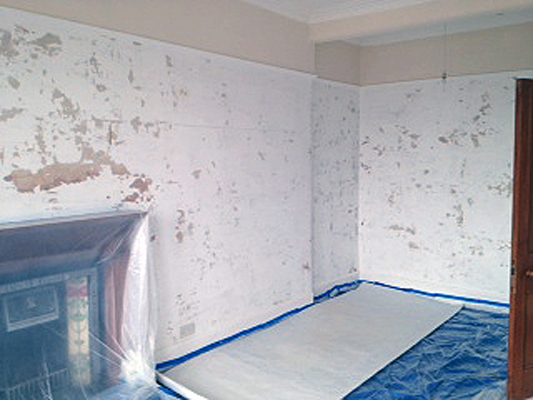
Begin with a thorough inspection of all your walls, ceilings, and trim areas to assess the condition of your home. Carefully inspect for cracks, holes, stains, and uneven textures. Look for unsightly paint bubbles, flaked paint, old wallpaper, and damp patches. Identify any damp, mould, or structural issues that could impact adhesion. Create a definitive list of repairs and cleaning requirements for each surface, including the necessary prep work and the probable number of paint coats needed to achieve the right color.
Plaster
Inspect the plaster for hairline cracks and deep holes to ensure a quality finish. Tap gently; a hollow sound indicates weak plaster that needs to be pinned or replaced. Mark any dark patches or stains that could indicate previous leaks or active damp. For deep holes, build filler up in layers, allowing each to harden before applying more. Fill and seal with an appropriate stabilizing filler and sealer once repairs are dry, ensuring a seamless finish by sanding your repairs before mist coating.
Plasterboard
Pay attention to seams, screw holes, and visible tape lines. These must be filled and feathered down gently to prevent lines bleeding through paint. Look out for dents, scratches, or marks from moving furniture, and check that corners aren’t crumbling paper. For a flawless finish, bare plasterboard requires a mist coat or primer. Two coats of watered-down paint will prep the board for a full paint project. Leave at least four hours, or better still overnight, between mist coats to improve adhesion and finish. Sand back lightly before full coats where required, using fine sandpaper if necessary.
Bare Brick
Check the brickwork for loose mortar, dust, and efflorescence, which is the pale, powdery residue. Spot deep cracks or missing mortar joints that need filling prior to any sealer to ensure a seamless finish. Take note of wonky surfaces or brickwork that sticks out, which can impact how paint or plaster sits. Scrub and vacuum loose dirt, and apply a suitable primer or sealer to reduce suction and facilitate easy surface prep for consistent application. Don’t assume that textured brick will take the same amount of paint to achieve a uniform color.
Previous Finishes
Inspect the existing paint for any peeling, bubbling, or flaking that needs to be scraped off. To achieve a quality finish, strip off old wallpaper and nails, as anything left will come through the new paint. Look out for shiny or textured finishes, as these usually require sanding to ensure the new paint adheres properly. Make a list of all areas requiring stripping, sanding, or priming for this home project.
The Essential Wall Preparation Toolkit
A well-stocked toolkit is essential for good wall preparation, ensuring a quality finish. Effective prep work, including cleaning, sanding with fine sandpaper, and filling gaps, is crucial for UK houses, whether a Victorian terrace or a London flat. Following the right painting tips can help avoid unsightly paint bubbles and achieve a flawless finish.
Repair Materials
Use a range of fillers to ensure a flawless finish: lightweight ready-mix filler for small hairline cracks, a setting compound for larger holes, and flexible filler for gaps around skirting where movement occurs. It's essential to match filler to the substrate, such as plaster filler for lime or traditional plaster, and multi-purpose filler for plasterboard. A 50 to 100 mm filling knife and smaller putty knife allow for control when filling and scraping, while a sanding float is used to level out larger repairs once set. Additionally, paintable acrylic caulk effectively seals trim and window rebates, preventing moisture ingress and helping achieve a seamless finish.
Sanding Tools
To achieve a flawless finish, use fine sandpaper (120-240 grit) along with a sanding block to smooth repairs and blend them seamlessly with the surrounding wall. For larger rooms or when tackling ancient gloss layers, an orbital electric sander can save time while flattening out ridges effectively. Always remember to wear dust masks and goggles during the sanding process, as airborne gypsum and paint dust can be toxic. Additionally, using a vacuum with a brush head attachment helps minimize mess and ensures a tidy space.
Cleaning Supplies
Start your project with sugar soap or a non-caustic degreaser to eliminate kitchen grease and hand prints. Using warm water and a soft brush can help tackle tough stains. After completing the prep work of sanding and filling, be sure to wipe the walls with a damp cloth or sponge to remove any debris. Allow everything to dry completely. It's important to have a bucket, old cloths, and a handheld vacuum for tidying skirting grooves and window sills.
Protective Gear
To ensure a tidy space during your project, wear gloves and goggles to protect against solvents and dust. For longer sanding sessions or when using potent cleaners, a certified respirator is essential to help maintain a safe environment.
How to Prepare Your Walls
Prepare the room so walls are ready for decorating by ensuring a tidy space. Good preparation, including the right painting tips, saves time and yields a quality finish. Follow the numbered steps below and use a checklist to monitor progress.
1. Clear and Clean
- Take off furniture, pictures and light fittings or sheet up. Relocate freestanding objects to another room where possible.
- Dust skirting boards, window frames and ceilings to eliminate cobwebs and loose dirt. Use a soft brush or a vacuum with a brush attachment.
- Wash greasy or stained areas with sugar soap or warm soapy water and rinse well, taking care not to soak the plaster. For painted walls, a watered-down sugar soap solution removes kitchen grease.
- Let walls dry completely before any repairs. A damp wall traps filler and paint, preventing them from sticking.
Clear walls mean nothing is left that you don’t need, ensuring a tidy space that provides a good foundation for the rest of the project.
2. Fill and Repair
- Work ready-mixed filler into cracks, dents and holes with a filling knife, packing it in tightly. For larger holes, apply a backing patch or woven tape prior to filling.
- Feather the filler over the area to blend in with the surrounding texture. Don’t overfill. Feather edges to reduce sanding later.
- Allow filler to dry thoroughly, referring to manufacturers’ instructions, then sand. Repeat filling if required until level.
- Strip flaky plaster or peeling paint back to a sound substrate. For wallpaper, strip it off with a steam stripper for big runs, or soak and score for small areas.
Dealing with all holes and cracks is essential for a seamless finish and to prevent further paint failure.
3. Sand Smooth
- Sand repaired areas with fine 120-240 grit sandpaper, using a sanding block for control.
- Feather the edges of each patch to blend it in. Check in good light.
- Dust away regularly with a duster or damp cloth to see how you’re doing.
- Utilise a sanding pole or electric sander for large walls. Manage dust with a vacuum attachment.
Sanding levels the surface out for a flawless finish and enhances paint adhesion, making it easier for paint to adhere.
4. Final Wipe Down
- Wipe down all your walls with a damp sponge to remove any remaining dust and debris.
- Wipe corners, edges and skirting diligently. Let dry completely.
- Mist coats: Apply a watered-down primer or two thin coats on bare plaster, leaving at least four hours or ideally overnight between coats.
- Double check for any missed blemishes before painting. Bear in mind that most jobs require two to three top coats for an even finish.
Priming: The Secret Weapon
Priming is key to achieving a professional, long-lasting finish on surfaces like plaster and plasterboard. It lays down an even layer for paint to adhere to, closes porous surfaces, and prevents stains or marks from bleeding through light colors. For a flawless finish, follow the how-to guide below, as priming is non-negotiable for smooth coverage and quality results.
Why Prime?
Priming is essential for achieving a flawless finish with new paint on most wall surfaces, as it helps the paint stick and results in a more durable finish that won’t flake. When applied to bare plaster or brick, a good quality primer seals pores, allowing the paint to soak in evenly and preventing patchy areas. This prep work is crucial, especially with light or vivid colors, as it ensures any unsightly paint bubbles or ghosting do not reveal themselves.
| Surface | Advantage of priming |
|---|---|
| Fresh plaster | Seals and evens absorption, reduces patchiness |
| Plasterboard | Masks joint compound differences, improves adhesion |
| Bare brick | Reduces suction, gives uniform base for topcoat |
| Previously painted | Helps new paint grip, blocks minor stains |
Primer Types
Water-based primers are the best choice for most interior walls, as they perform well under emulsion paints, drying quickly with a low odour. For specific projects, specialist primers can be crucial; for instance, stain-blocking primers handle nicotine or water damage, while bonding primers work well on glossy paint. Additionally, a mist coat, which is a blend of emulsion and water, serves as a seal for fresh plaster before applying any full primer or topcoat, ensuring a quality finish for your painting project.
| Primer | Best for | Key trait |
|---|---|---|
| Water‑based | Most interiors | Fast drying, low odour |
| Oil‑based | Stain blocking, old wood | Strong block, longer cure |
| Bonding primer | Glossy surfaces | Improved adhesion |
| Anti‑mould | Bathrooms, basements | Mildew resistance |
Application Tips
Mix primer well and pour into a tray so rollers load evenly. Cut in edges with a good brush before rolling out large areas to eliminate lap marks.
- Go for a medium-pile roller for texture and a short-pile roller for smooth plaster.
- Work in sections and keep a wet edge to avoid overlap marks.
- Keep ventilation up; follow manufacturer drying times precisely.
Leave primers to dry. Most are ready in 1 to 2 hours, but leave them 24 hours for the best results. Priming takes time, but it pays off in durability and a perfect finish.
Beyond the Wall Itself
Prepping the room beyond the walls is crucial for achieving a flawless finish and a long-lasting paint job. Consider the setting, protection for fixtures and floors, and how you will operate. Tackle structural prep first, ensuring a tidy space before you pop a tin of good quality paint.
Room Temperature
Maintain an ambient temperature of 15 to 25 degrees Celsius for ideal paint performance. Paint taken outside of that range can blister, sag, or not cure properly. Frost and humidity inhibit drying and increase the risk of mildew. Overly hot rooms can skin paint too quickly and trap solvent, resulting in poor adhesion.
Put electric heaters on low and/or fans to keep conditions stable. Don’t heat wet paint directly. Keep an eye on humidity and try for relative humidity below around 70% wherever possible. If the plaster is new, allow it to dry for four weeks before decorating to prevent moisture being trapped. A first light sand ahead of a mist coat frequently pays dividends later and helps primer and paint key in.
Airflow
Ventilate properly by opening windows or using extract fans to disperse fumes and moisture. Control airflow to diffuse solvent and accelerate drying, while avoiding gusts that blow dust onto wet surfaces. Tighten internal doors to limit dust and paint smell to the workspace and prevent the movement of particles.
When stripping wallpaper, prepare for a long job and more dust. Air well but avoid draughts. For windowless rooms, use a fan located to blow air outside through an open door or temporary ducting.
Lighting Check
Use bright light to find imperfections, missed areas and uneven texture. Natural morning light is best for windows, and paint them in the morning so they have all day to dry before being shut at night. Position portable work lamps around the place to illuminate corners and expose surface imperfections from new angles.
Work away from direct sunlight wherever possible to avoid false colour and sheen readings. Inspect panels at different angles and tilt lamps while you work. Arrange tools, as synthetic brushes last five times longer than natural ones, rollers, fillers and sandpaper within reach to cut down on trips and interruptions. For deep holes, build up filler in layers and allow each layer to harden before adding more.
Avoiding Common Pitfalls
Preparation of walls pays dividends and gives a much better finish. Bypassing steps like cleaning, filling, or priming often results in the first coat looking patchy, leading to the need for extensive prep work later. Dust, grease, and mould must be addressed first; wash with a mild detergent, rinse, and allow to dry. A mist coat or appropriate primer is needed on older plaster to prevent peeling or patchy finishes on top coats, ensuring a flawless finish.
Don’t rush the coats. Each coat must dry thoroughly at room temperature and humidity. In humid London weather, this takes longer. Stick to the paint manufacturer’s drying times and don’t be tempted to add a second coat when the first is tacky. Thin, even coats trump fat ones. Overloading a good quality paintbrush or roller with paint leads to runs and an inconsistent finish. Work in small sections, cutting in edges with a quality brush, then roll the main areas while the edges are still wet to blend.
Mix paint from both tins to avoid shade variations. For large rooms, decant equal quantities into a clean bucket and mix to create a single batch. This sidesteps the issue of slightly differing batches showing as stripes on wide walls. If using tins purchased at different times, bring them together and stir before commencing to ensure a consistent paint surface.
Fill holes and cracks in layers. Dab filler, let it cure, and sand flush, and repeat for deep ruts. Layering avoids sinking and cracking later. Once filled, sand edges so patches sit flush with surrounding plaster. Don’t forget to mist coat for bare plaster with watered-down emulsion or a trade primer. It seals the surface and gives the topcoat something to key to, preventing unsightly paint bubbles.
Pick the right sheen for each surface. An eggshell or satin suits most living rooms, gloss for skirting and trim, and hardwearing matt for ceilings or textured walls. The wrong finish wears and reflects horribly, leading to an uneven finish that detracts from your project.
Before the final painting pass, check all edges, sockets, and corners in bright light. Repair missed spots, feather brush marks, and remove dust. A steady, gentle approach at this stage avoids the most frequent finish mistakes and gives you a cleaner, longer-lasting result, ensuring your home looks its best.
Conclusion
Good prep makes decorating easy. Examine walls for damp, cracks and loose paint. Sand down any rough patches, fill holes with an easy-fill mortar and sand back smooth. Wash grease away with a sugar soap mix and rinse with clean water. Mask skirting boards and trim with low-tack tape. Use an appropriate plaster or plasterboard primer. Pick paint that fits the room: washable matt for hallways and hard-wearing eggshell for kitchens. Allow each coat to dry thoroughly, following the manufacturer’s recommendations for applicators and temperatures. Minor trials on a piece of wall can save time and money. A clean job now cuts repairs later and preserves the finish for years to come. Do one wall first, then roll out the rest. Excited to get going? Pack your bags and set a date?
Frequently Asked Questions
How do I quickly assess if my walls need repairing before decorating?
Look for peeling paint, cracks, damp patches, and uneven plaster, as well as unsightly paint bubbles. Knock surfaces to hear for hollow sounds, which helps identify necessary tools and repairs for a flawless finish.
What basic tools should I buy for wall preparation?
Be sure to acquire a good scraper, a jointing knife, light sandpaper (120-180 grit), paintable caulk, a sanding block, dust sheets, a spirit level, and a good quality paintbrush and roller. These will help cover most prep work.
How do I fill small cracks and holes neatly?
Wipe down the area, then apply decorators’ filler with a filling knife to help achieve a flawless finish. Smooth it off and leave to dry before sanding flush with 120-180 grit paper for an easy surface prep.
When should I use a primer on my walls?
When do I need to prime? For new plaster, repairs, stains, or when switching from dark to light paint colors. Using a primer ensures even adhesion and color coverage, helping to minimize paint usage and achieve a quality finish.
How do I deal with damp or mould before decorating?
Locate and rectify the cause of the damp in the first place, such as a leaking pipe, inadequate ventilation, or penetrating damp to ensure a seamless finish. This guide will help you prep your walls for decorating.
Do I need to sand plastered walls before painting?
Yes, lightly sand the area to eliminate dust nibs and rough patches, ensuring a smooth surface for good quality paint to adhere. This prep work is essential for a flawless finish.
What common mistakes should I avoid when preparing walls?
Don’t skimp on cleaning, priming, or drying time to ensure a flawless finish. Avoid using the wrong filler or painting over damp surfaces, as these errors can lead to poor adhesion and unsightly paint bubbles.