
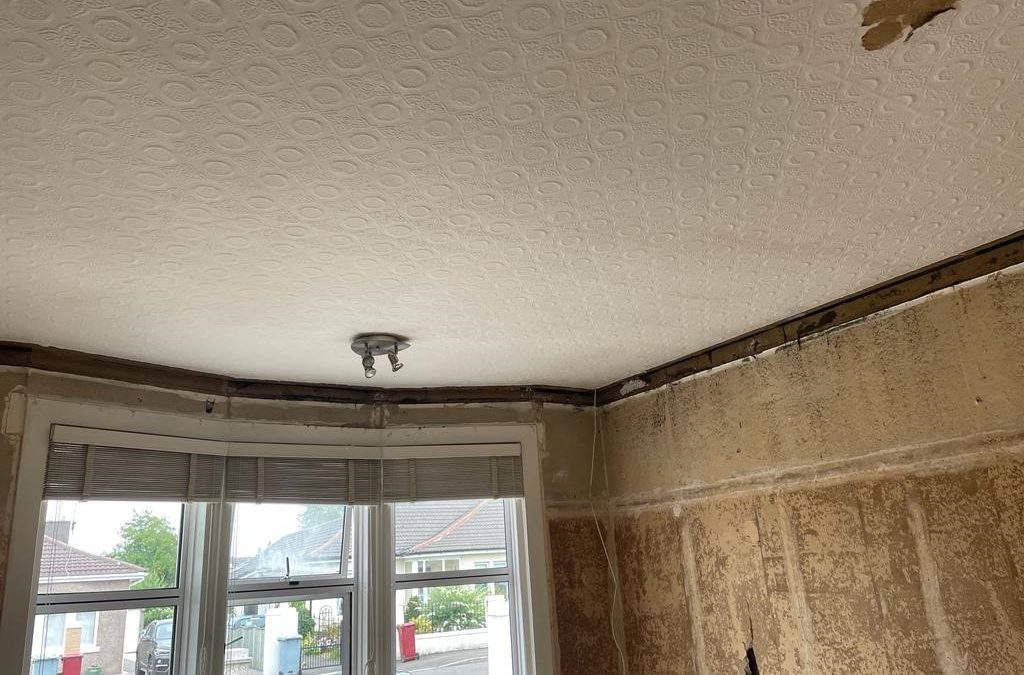
Key Takeaways
- Cracks, flaking and uneven surfaces are the result of cheap plastering that lead to expensive remedial work and depreciate your UK housing value. What to do: Take action by recording defects and requesting a written repair from the contractor.
- Chronic damp and bad drying from inferior work can generate mould and poor indoor air quality that pose a health risk. Arrange prompt inspections and attend to any ventilation and moisture sources.
- Lousy bonding and incorrect mixes result in loose or hollow plaster which compromises walls and ceilings. You must demand proper prep, correct materials and staged drying to avoid future collapse.
- Rush jobs and cheap materials lead to decoration problems and repeated repairs, increasing costs in the long run. Get quoted itemised costs, stick to reputable brands and allow for quality, hand-applied work.
- Verify a plasterer’s qualifications and references, look for membership of British Gypsum schemes, and demand a written guarantee for materials and labour.
- If you think you’ve got a cowboy job, do these simple checks now. Run your hand over the finish. Watch out for dark patches and inconsistent drying. Take pictures of defects and withhold the final payment until defects are rectified.
Cheap plastering vs quality plastering: what's the risk? Good quality plastering employs higher-end materials, expert tradespeople, and allows for appropriate drying times, resulting in a more enduring finish. In London and elsewhere, cheap jobs can save £50 to £200 up front but can lead to expenses through cracks, damp, and repainting just months later. Cheap plastering or quality plastering – what’s the risk? Homeowners weighing up budget and longevity must consider short-term savings against future repair cycles and resale. The body details common errors, pricing guides, and standards of plastering in the UK.
The True Risks of Cheap Plastering
It isn’t long before poor plastering quality seems like a short-term saving, but one that comes with a multitude of practical risks affecting appearances, costs, and health. The following subheadings outline the chief concerns you will face if plastering work is substandard, which can lead to significant plaster damage for houses in the UK.
1. Cracks and Flaking
Cracks and surface flaking are signs of poor plastering quality, indicating that the plaster hasn’t adhered properly. Thin coats or rushed trowelling during the plastering work leave the skim fragile. Tiny hairline cracks can spread rapidly into broader fissures. Patches on patches illustrate the original work was wrong, and the patches conceal the real fix required. For example, an inexperienced plasterer could skim over dirty or damp surfaces, which then lifts when paint is applied, leaving you with extra hours and expense to reinstate the work.
2. Persistent Damp
Damp patches and mould can indicate lax sealing or poor plastering quality. When the base isn’t correctly treated, moisture can penetrate behind the plaster and develop spores that affect air quality. Chronic damp requires more than a cosmetic repair; it typically necessitates stripping back to the substrate, treating timbers or masonry, and engaging a professional plasterer for replastering. Such remedial work is disruptive and expensive, demonstrating how cheap plastering can lead to costly repairs in the long run.
3. Uneven Surfaces
Ridges, rough patches, and dips are common signs of poor plastering quality where plastering work was hurried. Homeowners should avoid plastering on the cheap, as over-sanding to rectify these plaster defects consumes time and can still produce patchy results. A patchy dry plaster from sloppy technique exposes structural issues that may necessitate extensive repairs.
4. Poor Adhesion
Loose plaster, lifting, or peeling often indicates poor plastering quality due to improper surface preparation or incorrect materials. Bad adhesion results in unstable surfaces that can lead to extensive repairs, making it essential for homeowners to address plastering problems early to avoid spiraling costs.
5. Future Decoration Woes
Poor plastering quality can wreak havoc with decorating, as paint may crack or wallpaper fails to adhere. Homeowners may find that a suspect base necessitates extensive repairs or additional coats before achieving a quality finish.
How to Spot a Cowboy Job
Cowboy plastering often has obvious tell-tale signs if you know what to look for, especially in terms of poor plastering quality. Before inspecting specific areas, expect a brief run-through: check for visual defects, feel the surface for smooth finishes, observe drying, and review paperwork and communication. Document anything odd and make a record with photos and notes to go over with the plastering contractor or to support future claims.
Visual Clues
Visible cracks, blistering and uneven finishes are instant red flags. Fine, hairline cracks after drying are nothing compared to wide, jagged cracks indicating bad base preparation or shoddy work. Patching, discolouration or surface flaking indicate wrong mix ratios or cheap materials used. Badly feathered, mismatched joints betray inexperience. Skilled work has feathered joins and consistent texture over hides. Missed spots or incomplete coverage usually show up around skirting boards, window reveals and external corners. These are areas that cowboy contractors often skim over to save time.
Unclear pricing or an ambiguous written estimate often goes hand-in-hand with these visual cues. Request before-and-after photos of previous work for finish comparison. If they refuse or have none, take this as a red flag.
Touch and Feel
Run your hand along walls and ceilings. Roughness, such as drops of glue, ridges or lumpy patches, are signs of poor finishing. Press down gently at various points. Any hollow sound or movement under the plaster indicates poor adhesion or insufficient backing. Feel for cool or damp areas. Moisture can result from bad drying, leaks or insufficient priming. Sharp edges, bumps and inconsistent smoothness reveal sanding and smoothing shortcuts.
Observe the contractor’s body language while you examine. Cowboy tradespeople tend to have poor communication, avoid answering your questions about materials or won’t provide written guarantees. A decent plasterer will calmly explain their findings, provide warranties and talk about next steps.
The Drying Process
- Even drying over the entire area with a consistent colour.
- No excessive white powder or dusty residues on touch.
- Drying times should match the plaster type and UK conditions.
- No rapid redecoration that risks trapping moisture.
Uneven drying can lead to subsequent cracking and instability of the surface, often resulting from poor plastering quality. Signs like a white powdery or dusty bloom may indicate poor workmanship or improper surface preparation. A reliable plasterer, with a decade of experience, will factor in drying time and provide a guarantee.
The Real Financial Cost
Poor plastering has distinct, quantifiable costs that extend well beyond that initial lowball quote, leading to costly repairs and maintenance expenses for homeowners in London and the South East.
- Immediate rework and labour: returning tradespeople, retries, or a new plasterer. Daily rates typically start around £300 and a smaller room (approximately 9m²) can run you about £1,100 to do properly.
- Materials wasted: discarded plaster bags, failed skim coats, paint and adhesive wasted when finishes fail. Skimming averages £24 per square metre. Full plastering costs between £18 and £30 per square metre. Specialist finishes range from £100 to £120 per square metre.
- Replacement of substrates: damaged plasterboard or trims need replacing, adding labour and materials and sometimes carpentry costs.
- Damp and mould remediation: if poor work lets moisture in, you may need drying, anti-mould treatment and re-plastering.
- Project delays: schedules slip, contractors rebook, and other improvement work is delayed. This can add holding costs and inconvenience.
- Devaluation at sale: visible defects lower offers and extend time on market. Estate agents and surveyors frequently remark upon fissures, the presence of moisture or slanted flooring and amend the price accordingly.
- Lower resale bids and bargaining: buyers expect discounts to cover repair costs. Prolonged listings cost more.
- Environmental and disposal fees: repeated strip-outs increase skip hire and disposal charges and raise your project’s environmental footprint.
Remedial Work
Checklist for remedial plastering:
- Survey to identify cause: structural, moisture or poor application.
- Remove defective plaster back to sound substrate.
- Dry and treat any damp.
- Replace or repair plasterboard where needed.
- Apply appropriate base coats, set coats and final skim.
- Finish and seal, then redecorate.
Remedial work typically consists of stripping off the defective layer and re-coating it. That usually means skilled trades and takes longer than a straight skim. Prepare for disruption to daily life. Rooms might be out of action for days and other work pushed back. Professional intervention brings back a finish more quickly and reduces repeat faults.
Devalued Property
Poor plastering diminishes the attractiveness and value of a home. Surveyors and agents often flag plastering problems, and buyers notice cracks, uneven walls, or dampness first. This can lead to reduced offers and extended sale periods, making it wise for homeowners to address these issues before selling.
Wasted Materials
Multiple patches waste plaster, paint, and fixings, leading to poor plastering quality. Wrong mixes result in wasted batches, increasing costs and environmental damage. Proper adhesion and skilled plastering work reduce waste and costs, preventing the need for costly repairs and ensuring a quality finish.
Unseen Dangers Lurking Within
Bad plastering can hide more than just a bad finish; it can lead to significant plaster damage. Tiny cracks, uneven joints, or poorly executed wall plastering often conceal damp, mildew, and movement within a house’s structure. A cursory visual sweep could easily overlook moisture behind a wall or a thin layer of wet plaster skimming a timber stud that has already rotted. This stealth condition can deteriorate over months, making early inspection crucial to identify causes rather than just superficial remedies.
Mould and Spores
Mould thrives where dampness and poor ventilation collide, often exacerbated by poor plastering quality. Under cheap plastering work, moisture from a leaking pipe, a congested cavity, or a cold bridge can linger unseen and nourish fungi. Spores released into a room can trigger asthma attacks and persistent coughs for sensitive individuals. If wet plaster was applied without proper drying or vapour control, it retains moisture, allowing mould to set in. To address this, remove the affected plaster, apply appropriate fungicide, and identify the leak or ventilation failure. Implementing a vapour-permeable plaster system may be necessary to prevent regrowth.
Structural Weakness
Shoddy plastering can disguise or conceal structural defects, leading to significant plaster damage. When poor plastering quality causes render or plaster to fail in adhering to the substrate, it detaches in patches, creating the illusion of a solid wall. Weak fixings or poorly fixed laths may result in sagging ceilings and shifting loads. Minor cracks can develop into extensive repairs, and what begins as a cosmetic issue can escalate into costly repairs. Look out for wide cracks, bulges, or sticking doors post-plastering, and consider a structural check before addressing defects with more skim plaster.
Poor Air Quality
Crumbly plaster and invisible mould both release particles into indoor air, significantly affecting air quality. Fine dust, deteriorated lime or gypsum, and fungal spores can lead to serious plastering problems, making a house feel dank. These particles settle in carpets and upholstery, extending exposure and diminishing the worth of cleaning alone. Better ventilation, adding trickle vents or mechanical extract in kitchens and bathrooms, and fixing the plastering work to seal dust sources all help restore healthier air. A cracked skirting or hollow-sounding wall may indicate poor plastering quality, which can be the source of ongoing contamination.
The Plasterer's Dirty Secrets
Plastering appears straightforward until it doesn’t. Poor plastering quality often lurks in minor decisions that spoil a smooth finish. Here are the most common plastering problems, how they appear, and what to expect from skilled plasterers in London, the South East, or anywhere in the UK.
Wrong Mixes
Using the wrong mix affects strength, adhesion, and long-term performance in plastering work. Too much water renders plaster weak and powdery, while too little water means it won’t spread or key properly. Some homeowners add cheap fillers or skimp on gauging plaster to save costs, leading to poor plastering quality that results in cracks and loosening surfaces within months. Signs of poor plastering include grittiness when rubbed, hairline cracks, or patches that flake away with little pressure. A reliable plasterer will explain their choice of mixes and often be booked up for weeks ahead, which can indicate their expertise and the quality of their plaster finishes.
Rushed Application
Rushed plastering work often manifests itself as patchy surfaces, skimpy coats, and areas neglected, leading to poor plastering quality. Skimming without allowing for set and dry time between coats can cause adhesion failure, resulting in plaster defects that show up later. While speed may get a room done quicker, it can lead to costly repairs, such as a 2-inch bow in a wall that hinders proper fitting of kitchen units. Homeowners should be wary of crisp edges and uniform thickness, and if a plastering contractor is pushing for rapid completion, they may be prioritizing speed over skilled craftsmanship.
Substandard Materials
Cheap plasters, adhesives, or backing boards can lead to flaking and short life expectancy, often resulting from poor plastering quality. Low-grade material, even with the dullest finishes, shows in patch repairs and early failures. To avoid plastering problems, use reputable UK trade brands and ensure products comply with British standards for internal and external use. Good plastering contractors won’t have any problem showing you previous jobs and backing up their quality finishes.
Skipping Prep
Bad surface preparation leads to significant plaster damage. Anything grimy, old adhesive, or loose plaster left under a new skim coat can cause the new plaster to lift or crack. Proper plastering work involves washing, priming, and repairing poor plastering quality by addressing loose plaster and removing old wallpaper. A reliable plasterer will not only prepare the surface correctly but will also address any plastering problems upfront, ensuring a smooth finish for the homeowner.
Finding a Reputable Tradesperson
Finding the right plastering contractor minimizes the chance that poor plastering quality results in costly repairs. Start with a clear brief of the plastering work and the smooth finish you desire. Then mix personal recommendations, local trade listings, and vetted online platforms to create a shortlist.
Check Their Work
Request examples of former work as well as before and after images, and tour a live site if possible to see standards first-hand. Seek flat, even surfaces, crisp arrises, and consistent skim thickness; these are signs of skill, not speed. Membership of recognised schemes like the British Gypsum Certified Plasterer Scheme is a help, but not the only quality indicator for plastering work. See how long they have been plastering and whether they can show a variety of work types, including wall plastering and patch repairs. Make a list of experience, tidiness, punctuality, and communication. Then shop around several contractors. Recommendations from friends and family usually lead you to a good tradesman. Alongside that, make sure you are looking to get at least three quotes from different plasterers to ensure you are paying a fair market price.
Ask for a Guarantee
When hiring a plastering contractor, it’s crucial to ask for a written guarantee that covers both materials and workmanship. This warranty should specify its duration and exclusions, such as damp or movement, which typically fall outside a plasterer's responsibilities. Reliable plasterers provide clear aftercare and commit to timely repairs for any plastering problems that may arise. Including this guarantee in your contract serves as a practical tool; if issues occur, you can reference the written terms. Avoid paying large sums of cash without proper invoicing to ensure warranty and consumer protections remain enforceable.
Understand the Quote
Request an itemised quote detailing labour, materials, and any add-ons, such as raking out lath and replastering or making good after plumbing. Ensure the quote includes preparation, drying times, type of plastering work and finish, and cleanup. Use these itemised quotes to look out for anything that might be missing or suspiciously cheap line items that could indicate poor plastering quality or corners being cut. Always agree on a fixed price if possible to avoid disputes during the job and confirm who is paying if any extra work is required. Be patient; a reliable plasterer will likely be busy, so you might have to wait to find a good one.
Conclusion
Cheap plastering vs quality plastering: What’s the risk? Bad coats crack, conceal moisture and require remedial action. In London or a seaside town on the south coast, the same risks apply: salt air, timber frames and older walls need the right mix and skilled hands.
Select a plasterer with a portfolio, transparent pricing and a local address. Request a written guarantee and a step-by-step programme. A fair quote for a thorough job beats a cheap patch that fails in months. Get at least three quotes and check recent photos and references.
If in doubt, consult a trade body or a local surveyor. Book a survey or call a vetted plasterer now.
Frequently Asked Questions
What are the main risks of choosing cheap plastering over quality work?
Cheap plastering often leads to poor plastering quality due to the use of substandard materials and poor workmanship. This results in significant plaster damage, including cracks and an uneven finish, which can lead to costly repairs down the line.
How can I spot a cowboy plasterer before hiring them?
Homeowners should be cautious of poor plastering quality, such as no written quote or bad online reviews. Always ask for references and to see recent plastering work by qualified plasterers.
Will cheap plastering affect my home’s resale value?
Yes. Consider visible defects and damp issues that dent buyer confidence, as poor plastering quality can lead to costly repairs. Bad finishes can lower your offers and prolong your time on the market.
Are there hidden dangers behind bad plastering I should worry about?
Yes. Cheap plastering versus quality plastering: what’s the risk? Poor plastering quality can damage health and structural integrity, leading to costly repairs.
How much more should I expect to pay for quality plastering in the UK?
Quality plastering work varies by scope, but you can expect to pay more per square metre than budget options. Investing in skilled plasterers means better materials and reduced maintenance costs, ultimately minimizing future repair bills.
What questions should I ask a plasterer to check their credibility?
Demand evidence of public liability insurance, references, written estimates, timescales, and a breakdown of materials from your plastering contractor. Look out for trade body membership and a clearly defined complaints process regarding plastering work.
Is DIY plastering a cost-effective alternative to hiring a professional?
Well, only for small, cosmetic repairs. The question about cheap plaster versus good plastering work is what the risk is. DIY attempts often lead to poor plastering quality, making repairs more expensive.